
Commercial Solar Alberta
Your Shop Runs Days.
So Does Solar.
A shop draws most of its power during the day. That is exactly when solar produces.
Edmonton, St. Albert, Spruce Grove and across Alberta
Licence #13824 signs the commercial work too
Qualify your building
Four answers and you know whether your building is one of the good ones
The two things I look at first are on this page already.
- A load that runs in daylight, and a big roof with nothing shading it.
- This works out which of those you have, which rule you fall under, and which money is actually on the table for you.
- Nothing is sent anywhere and there is no form in here.
1What kind of building is it?
2When does the load actually run?
3What is the roof like?
4How big are you thinking?
Answer the four above
Both drivers together is the fast payback
One without the other is still worth running the numbers on. Pick your building and I will tell you which one you have.
Which rule you fall under
Depends on the size
Pick a size above and this fills in.
Before incentives
Quoted off twelve months of bills
Small commercial, 30 to 50 kW, runs $50K to $120K before incentives.
Federal ITC, 30%
30% of eligible capital cost
Subject to CRA eligibility including prevailing wage conditions for the full rate. Talk to your accountant.
SEMI grant
Depends on your sector
Pick your building above and this fills in.
Class 43.1
55% in year one, 2026 rate
Commercial solar sits in Class 43.1, and the Accelerated Investment Incentive allows a 55% first year deduction for equipment available for use in 2026, down from 100% before 2024. Reduces taxable income in year one.
What the power is worth on site
$0.10 to $0.16 a kWh
Depending on your distribution tier. The surplus sells back at retail rate credit under Alberta's Micro-Generation Regulation.
I do not add the ITC and the SEMI grant together for you, because whether they stack is a question for your accountant and the program, not for a page. Commercial project costs depend on system size, roof condition, metering configuration and equipment, and you get a detailed proposal after I read your utility bills and see the site.
Why the math works on a shop
Your system pays you back two ways at once
Power you burn on site
- Worth $0.10 to $0.16 a kWh, depending on your distribution tier
- Most of it never leaves the building
The extra sells back
- Retail rate credit under Alberta's Micro-Generation Regulation
- It chips at your overnight baseline draw
Straight from me
Why I quote a commercial job different than a solar company
Most outfits selling commercial solar are sales companies. They count your roof, plug it into software, and hand the install to whatever subcontractor is free that week. Nobody on that chain has ever opened your electrical room.
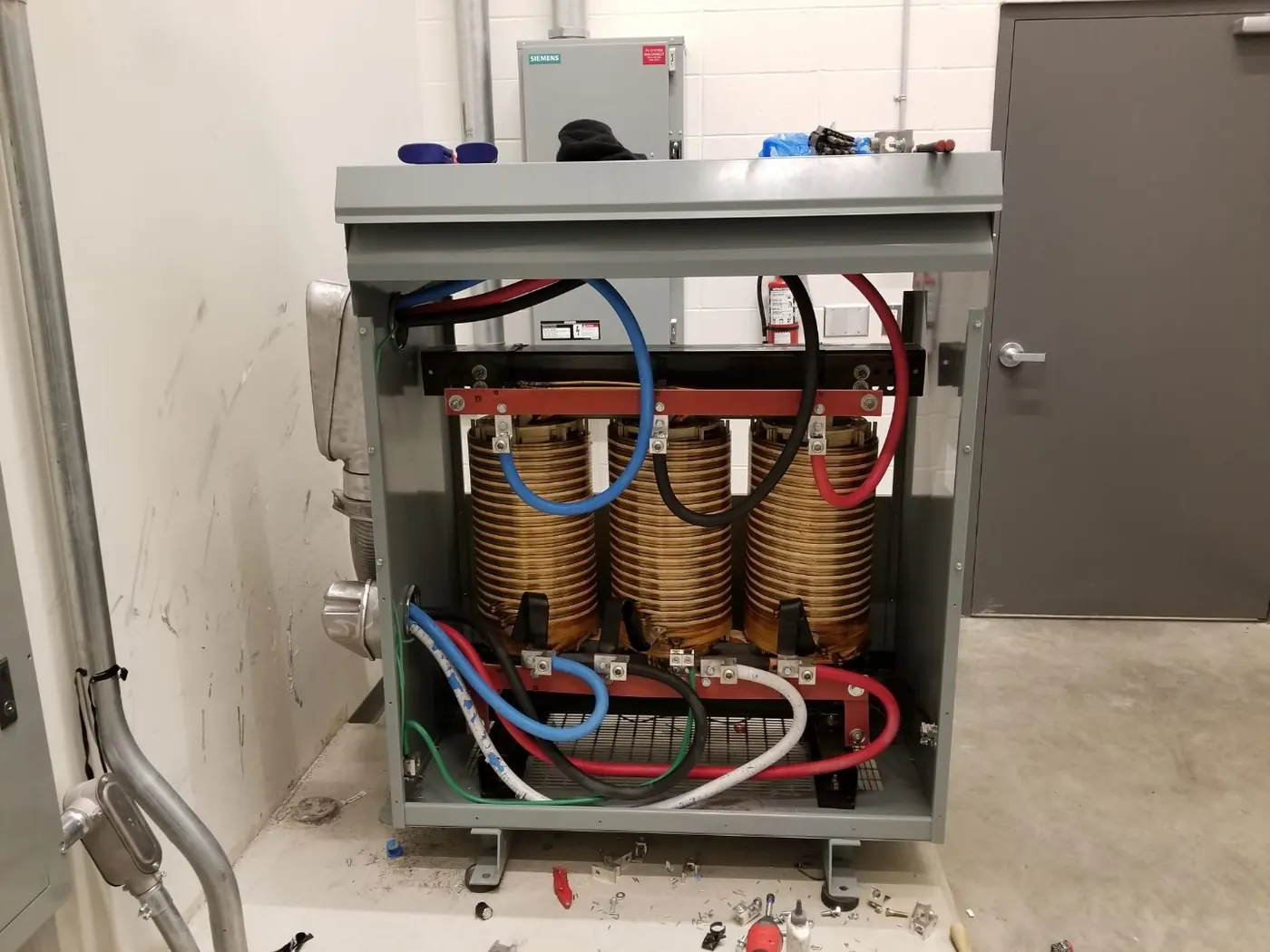
I am a Master Electrician, 14 years in the trade, licence #13824. Before I talk panels I am in your electrical room.
On a shop, the service answer is the whole project. Get it wrong and the quote is off by tens of thousands.
Same crew does the roof, the service, and the interconnect. No subs, no handoff, one licensed name that has to answer for all of it. Mine.
Who this actually pays off for
The buildings where I see the fastest payback
Fabrication & Machine Shops
Single shift, high daytime draw, big roof. The fastest payback I see.
Auto Dealerships
Big flat roof, all day lighting and HVAC, and a location everyone drives past.
Warehouses & Distribution
Acres of unshaded low slope roof. Lighting and dock power run when the sun does.
Agricultural Operations
Grain handling and irrigation pull in daylight, and open land means ground mount is on the table.
Municipal & Institutional
Open during peak solar hours, and public ownership tolerates a longer payback.
Retail & Strip Malls
Retail hours match production. Who benefits depends on how the units are metered.
Commercial Projects
Systems I have put up across Alberta
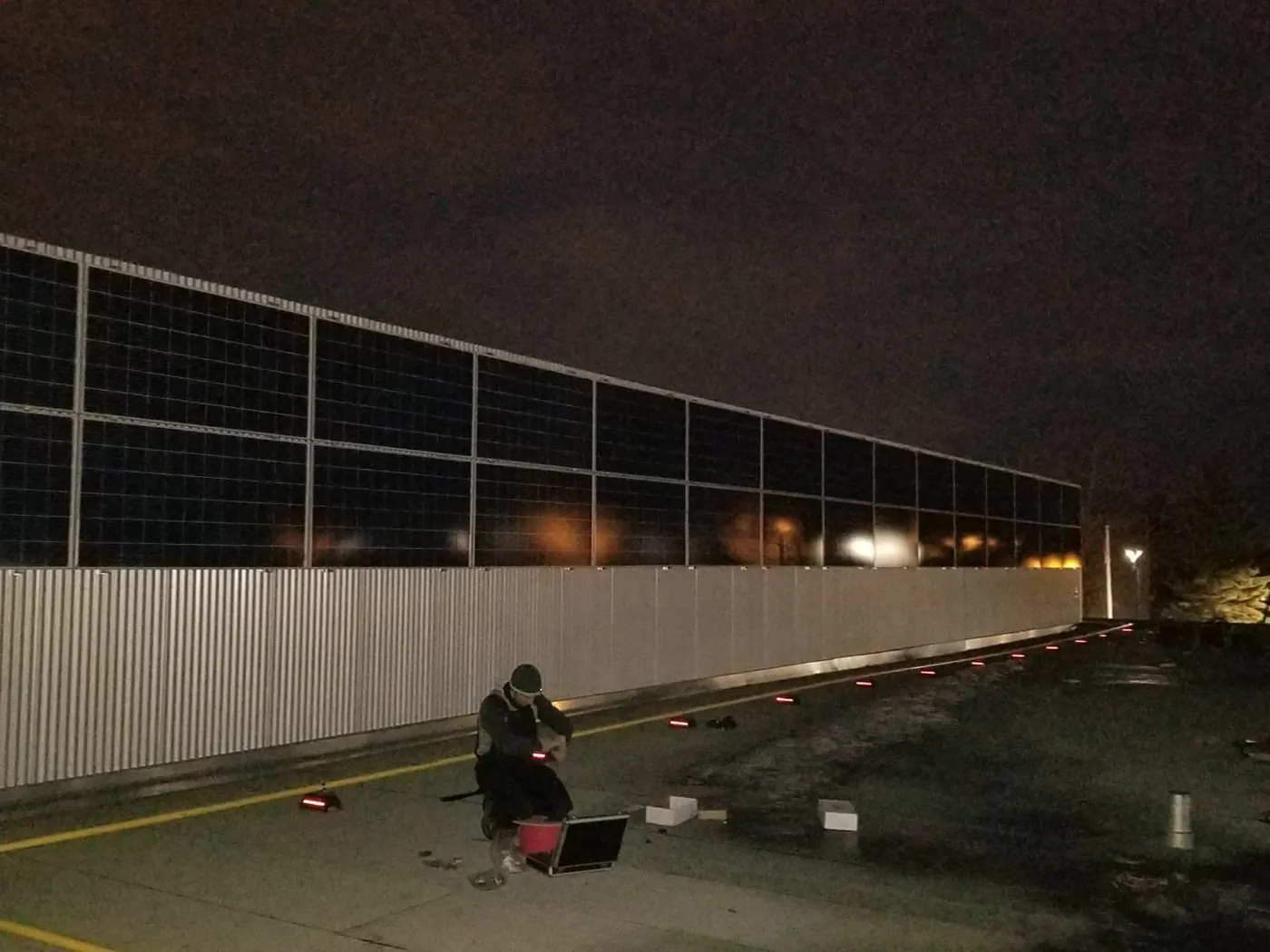
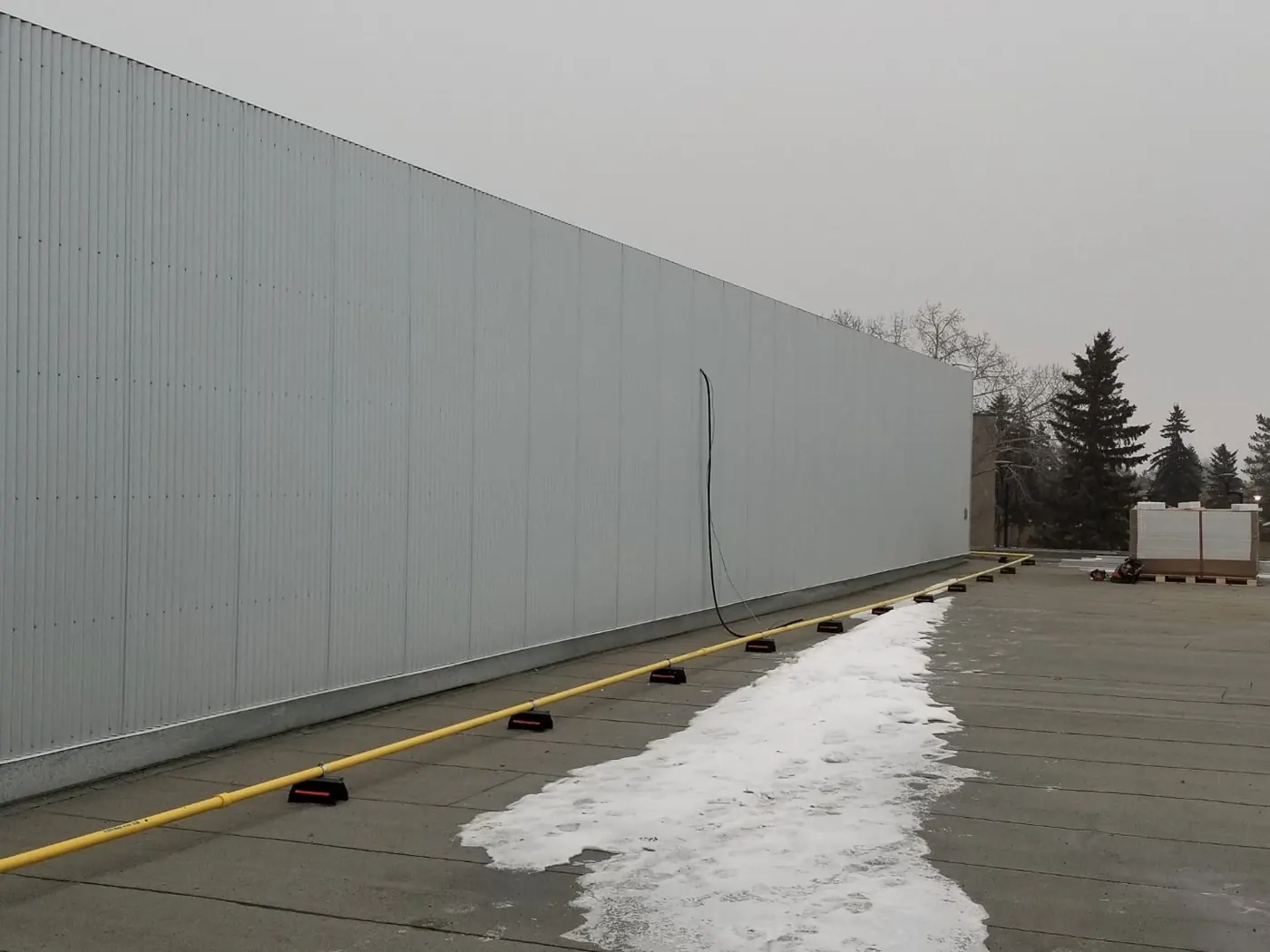
Wall-mount, rooftop, and ground-mount systems across Alberta.
Before & After
Wall mount system, Edmonton
Drag the handle to compare before and after commissioning.
Wall mount system, Edmonton
The rules you fall under
Where your system lands under Alberta's rules
Under 150 kW: Small Micro-Generator
Most commercial rooftop installs fall here. Simplified interconnection through ENMAX, EPCOR, or ATCO, and net metering credits apply at retail rate. I handle the permitting with your AHJ directly, so it does not land on your desk.
150 kW to 5 MW: Large Micro-Generator
This size needs a fuller interconnection study with your utility, and export credits can differ. For systems in this range I work with your utility and bring a PE-stamped engineering package so it clears review the first time.
The money Ottawa puts back
Two federal breaks that change the math
30% Investment Tax Credit (ITC)
The federal Clean Technology ITC covers 30% of eligible capital costs for solar installations. This applies to the equipment and installation. Subject to CRA eligibility requirements including prevailing wage conditions for the full 30% rate. Consult your accountant.
Class 43.1 Accelerated CCA
Commercial solar equipment qualifies for accelerated capital cost allowance under the Income Tax Act. For equipment available for use in 2026 the enhanced first year allowance is 55% of the cost, not the 100% that applied before 2024, and Class 43.2 closed to equipment acquired after 2024. Reduces taxable income in year one.
Small Commercial (30 to 50 kW)
$50K to $120K
Before incentives and grants
Federal ITC
30% Tax Credit
Applied to eligible project costs
SEMI Grant (Industrial)
Up to $250,000
20% of project cost covered
Commercial project costs depend on system size, roof condition, metering configuration, and selected equipment. We provide a detailed proposal after reviewing your utility bills and site conditions.
SEMI Grant, March 2027 Deadline
Industrial Operations: Up to $250,000 in Grant Funding
Emissions Reduction Alberta’s SEMI program covers up to 20% of your commercial solar cost, max $250,000. Sectors: manufacturing, agriculture, construction, transportation, more. Facility Readiness Assessment required. Program closes March 2027. Start now.
See my commercial ROIPlanning examples
Three building types to plan around
These are illustrative building scenarios, not completed Raydn projects. A site visit and your electricity bills determine the actual system and economics.
Red Deer, Industrial Shop
50 kW System
Welding and fabrication with daytime electricity use. Check interval consumption and the tariff before sizing. No bill savings or demand-charge reduction is assumed here.
Illustrative scenario, not a customer case study
Edmonton Metro, Auto Supplier
30 kW Rooftop
A parts warehouse with a flat roof. Roof condition, electrical capacity and daytime consumption need to be checked. Tax treatment belongs with your accountant.
Illustrative scenario, not a customer case study
Central Alberta, Ag Operation
40 kW Ground Mount
Grain and livestock operations can have seasonal demand. Check annual consumption, land use and the electrical connection before sizing. No grant or tax credit is deducted in this example.
Illustrative scenario, not a customer case study
Savings depend on your rates, consumption, and site. These are representative numbers. Book a consultation for figures specific to your operation.
Want a real number for your building?
Run the commercial calculator for a rough ROI, or have me look at it directly. I go through your utility bills, your roof, and your metering setup, then tell you what it actually costs and what it pays back. No sales rep in between.
Where these numbers come from
The tax numbers on this page are CRA figures, not mine. The Clean Technology ITC is a refundable tax credit, read 27 August 2026, which matters because a refundable credit can come back to a corporation in a year with no federal tax payable.
The full 30 percent is conditional. CRA, avoid the reduced credit rate, states the rate drops by 10 percentage points, to 20 percent, if you do not elect to meet the prevailing wage and apprenticeship labour requirements, and that it falls to 15 percent for 2034.
Eligible solar equipment is listed by NRCan under photovoltaic electrical generation equipment.
On the write off, I corrected this page in August 2026 because it was out of date.
CRA’s phase out table on the Accelerated Investment Incentive page, read 27 August 2026, shows the enhanced first year allowance for clean energy equipment stepping down from 100 percent for 2018 to 2023, to 75 percent for 2024 and 2025, to 55 percent for 2026 and 2027, and gone from 2028.
The same page limits Class 43.2 to equipment acquired before 2025 and lists it as not applicable from 2025 on, so a system bought now sits in Class 43.1.
That is why this page says 55 percent and Class 43.1 instead of the 100 percent and Class 43.2 you will still see quoted elsewhere. Your tax year and your corporate rate decide the dollar figure, so take it to your accountant.
Every rate here is a published third party figure or is labelled as my own. If one has moved since the read date, tell me and I will correct the page.