Small jobs
Small electrical jobs, done properly and booked the same week
Not every job is a panel or a solar array. Most of what gets asked for is one fixture, one circuit, one outlet that stopped working. Those still get a Master Electrician on site, a permit where one is required, and a price before the work starts.
Dmitry Naboka, Master Electrician #13824. 14 years in the trade.
Edmonton, Spruce Grove, St. Albert, Sherwood Park, Beaumont, Leduc, Stony Plain, Fort Saskatchewan
What it costs
- Add an outlet or a 20 amp circuit$220 to $650Posted band.
- Multiple outlets or circuits in one visit$650 to $1,600Sub-panel work under an existing service, or a dedicated 240V circuit for a range or dryer.
- Panel upgrade$2,200 to $6,500New panel and breakers. A full 100 to 200 amp overhead service starts at $6,500.
Service call $170. One flat number before I start, in writing.
See every priceSend the job over
Fill this in and you get an answer the same day, or first thing next morning. Photos of the spot, the panel and the existing device answer most of what I would otherwise drive out to look at.
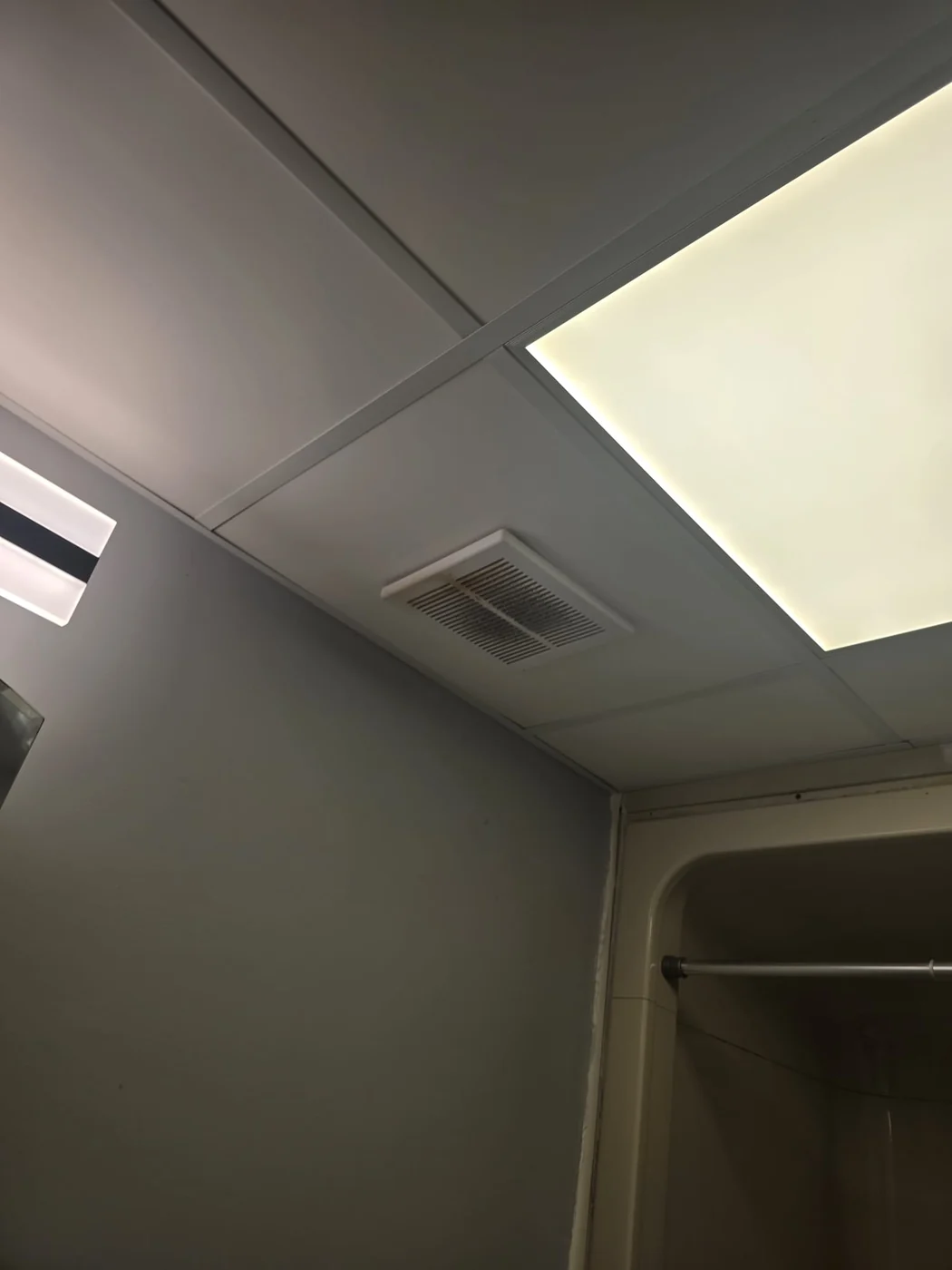
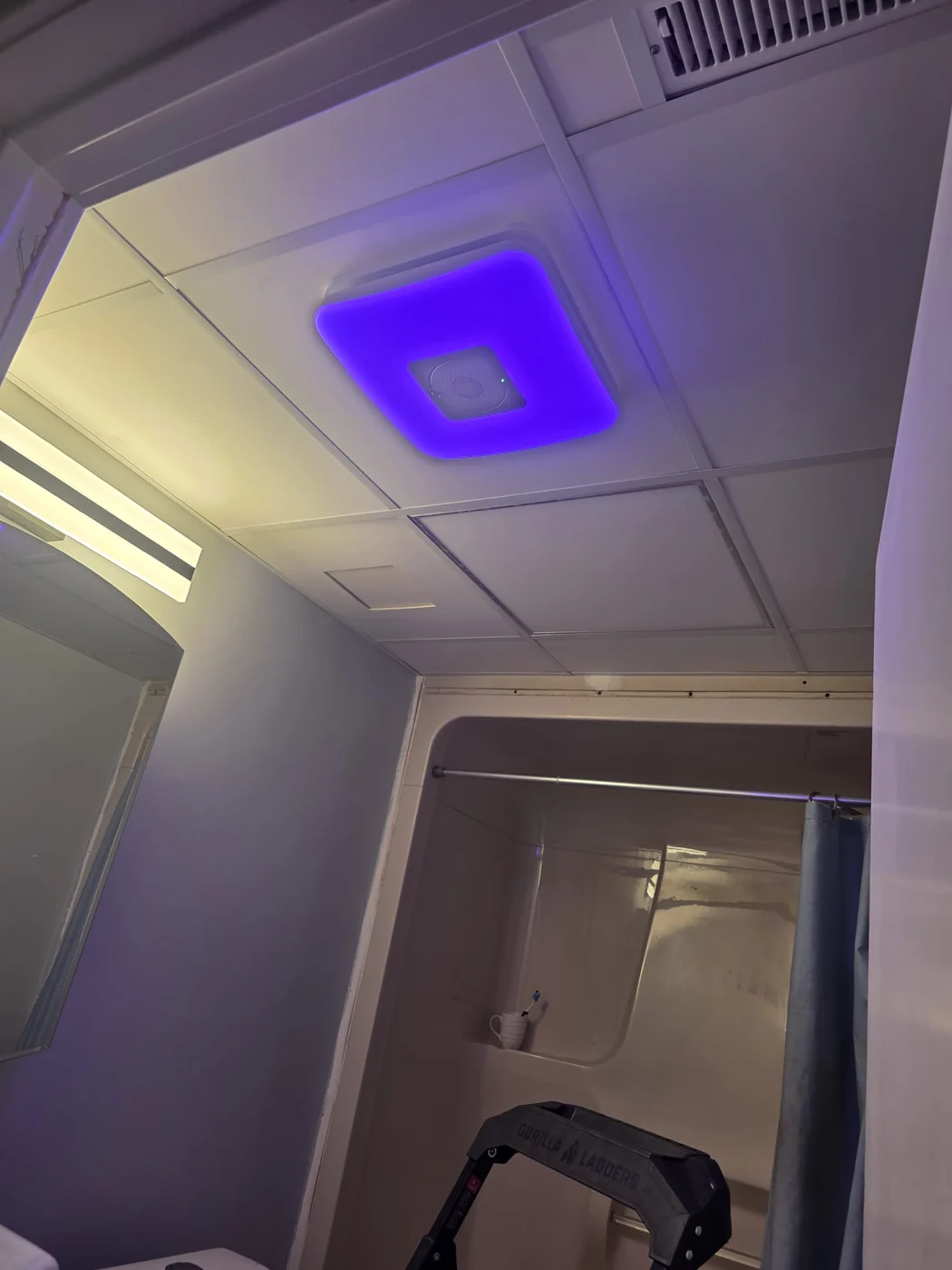
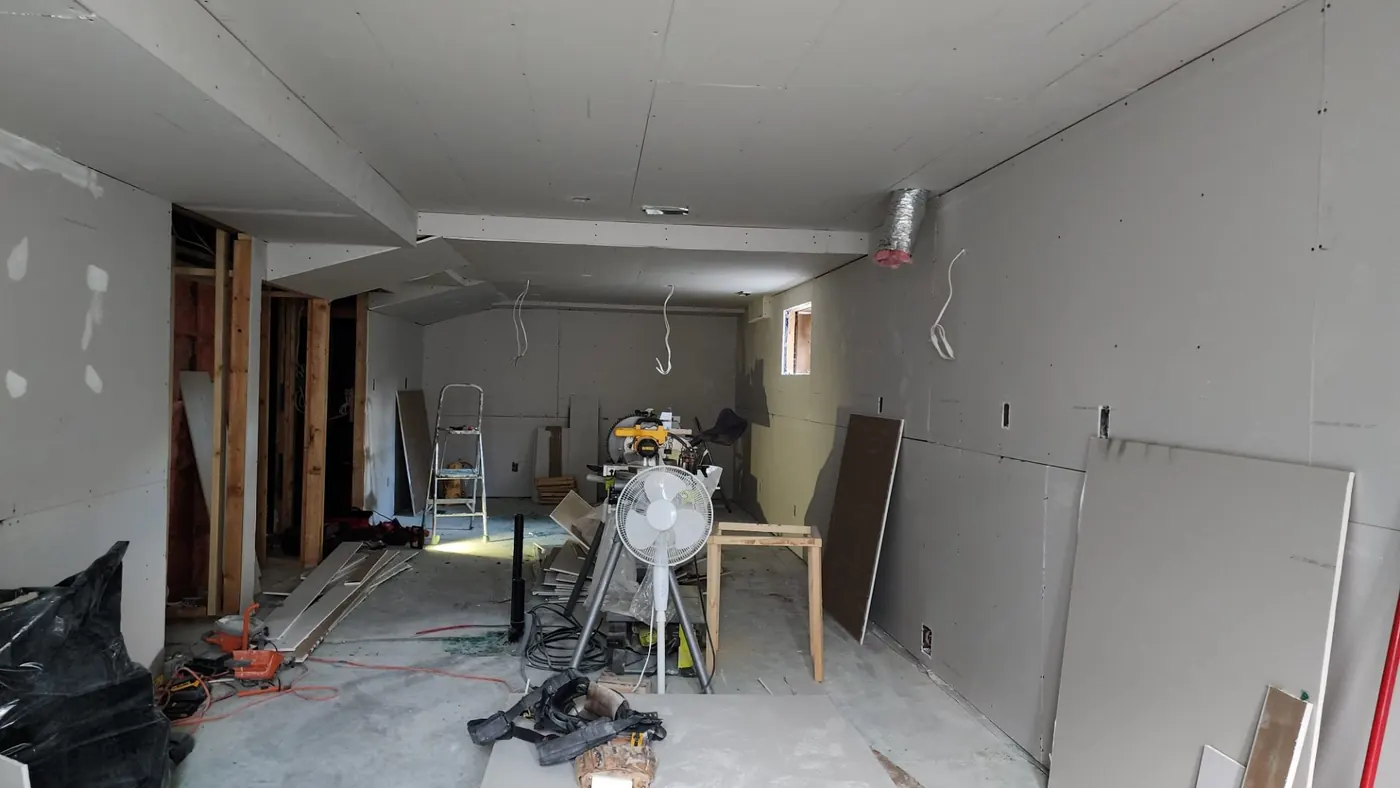
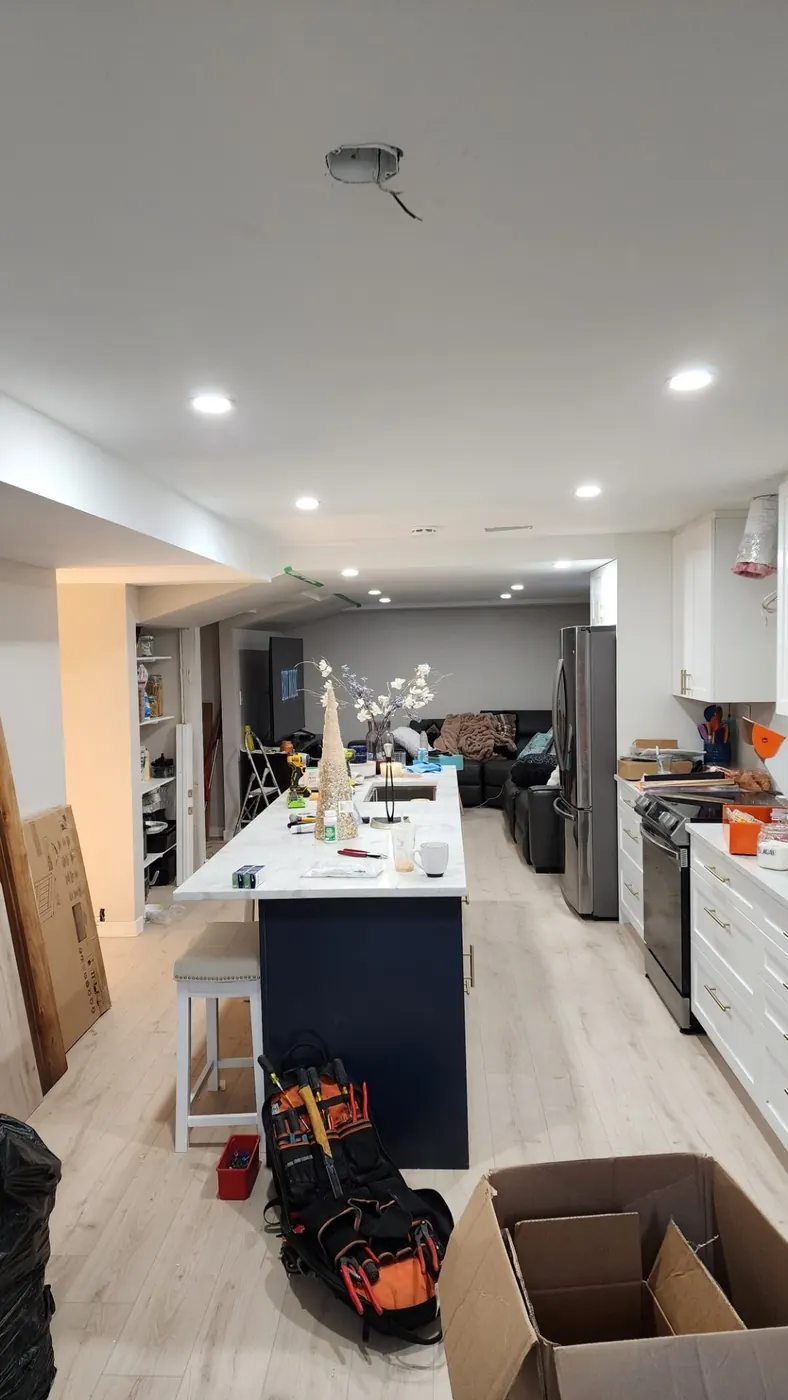
Our own job photos
Tap before. Tap after. Same room, same day.
Every photo below is off a Raydn job. Nothing here is a stock shot and nothing here is generated. Tap the buttons on a card to switch the picture.




Find your job, see the price band
Ballparks, not quotes. You get a firm number in writing before I start.
Tap your job, see the band
Same numbers as the lists on this page, just faster to find. Nothing gets emailed and nobody calls you for tapping it.
Kitchen and bathroom outlets get GFCI where the code now asks for it. Price moves with how far the run has to travel.
Real bands from real invoices, not a lead magnet. The firm number still comes in writing after I see it.
Service call and small jobs
- $170 service call. Diagnostic visit, tripped breaker, dead outlet, flickering lights, a smell you can't place. First hour on site included.
- $220 to $650. Add or replace outlets, install a hardwired smoke, run a dedicated 20 amp circuit, hang a light fixture that needs a box added.
- $650 to $1,600. Multiple outlets or circuits in one visit, sub-panel work under an existing service, dedicated 240V circuit for a range or dryer.
Panel upgrades
- $2,200 to $6,500. Standard. A panel swap. New box, new breakers, everything relabelled. A full overhead 100 amp to 200 amp service upgrade with meter base and mast starts at $6,500.
- Underground, priced on site. Where the supply cable has to be upsized and directional drilling is needed to reach the transformer, I price it after I see the run.
- Up to $10,000. Premium tier, a Leviton smart panel. My job with 37 smart breakers came in around $10,000.
See the Leviton job
The full page: Panel upgrades
EV charger installation
- From $1,995. Level 2 charger install with a NEMA 14-50 outlet or hardwired unit, permit, and inspection included.
- Plus load calc. On a 100 amp panel, we run a load calculation first. Sometimes a load management device is cheaper than a full service upgrade for the same result.
The full page: EV charger installation
If I find something behind the wall that changes the number, you hear it before I touch it. Not after.
What most small jobs cost
A fixture swap is $120 each plus materials. A fault nobody has found yet is the $170 service call, covering the drive, the diagnosis and the first hour, then $120 an hour. You get your number before anybody is booked.
Materials are on top and they get named before they are bought. A list of small items handled in one trip costs less than booking them one at a time, because the visit is already paid for.
How a visit actually runs
Booked, diagnosed, fixed, written down
Five steps, every time, whether it is one outlet or a list of eleven things.
You send it
Form above, or a text with photos to (780) 904-3462. You get an answer the same day, or first thing next morning, not a callback queue.
You get a band first
Before anybody drives out you know the service call is $170 and roughly where the work lands. No surprise number at the door.
A Master Electrician shows up
Dmitry Naboka, Master Electrician #13824, or a Raydn crew member. Five people on the team and no subcontractors on your property.
Diagnose, then price, then fix
The cause gets found before the fix gets quoted. If the price changes once the cover is off, you hear it before the tools come out.
You get it in writing
What was wrong, what was done, what we noticed and left alone. If something needs a permit it gets one.
Build your job list
The work that fits here
Tick everything on your list. One trip for all of it costs less than booking them one at a time, because the visit is already paid for. Your list drops into the form. No cart and no payment.
- 1 Pick the main job
- 2 Add what goes with it
- 3 Send the list
- A firm number in writing before I start
- A Master Electrician on site
- A permit where one is required
Your list
Nothing ticked yet. Tick a box above and it shows up here.
No cart and no payment. I read your list and get back to you.
What does not fit here
Saying so up front saves everybody a trip.
- Appliance repair. I bring power to the appliance. I do not fix what is inside it. If the appliance itself is the problem, the appliance page explains where the line sits.
- Panel and service upgrades. Those need a load calculation and a utility, so they go through panel upgrades.
- Whole building lighting. A large fixture count gets counted on site first, through the lighting walkdown.
- Gas, plumbing and structural work. Not my licence and I will say so rather than guess.
Basements, garages and renos
When the job is a room, not an outlet
A basement development, a garage, a kitchen, a secondary suite. Same crew that shows up for a dead outlet, just more of it and a permit. Four taps below are how one of these actually runs.
Walkthrough and a written scope
I walk the space with you before anything is priced. Where the rooms land, how many circuits that means, where the lights and the plugs go, and whether the existing panel has the capacity for it. You get a written scope with the circuit count in it, not a number on a napkin.
If the panel is the limit, you hear that here and not after the drywall is up.
Rough in, while the walls are open
Boxes set, home runs pulled, lighting laid out, AFCI and GFCI protection planned where the code asks for it. This is the stage where doing it properly costs nothing extra and doing it cheap costs you a wall later.
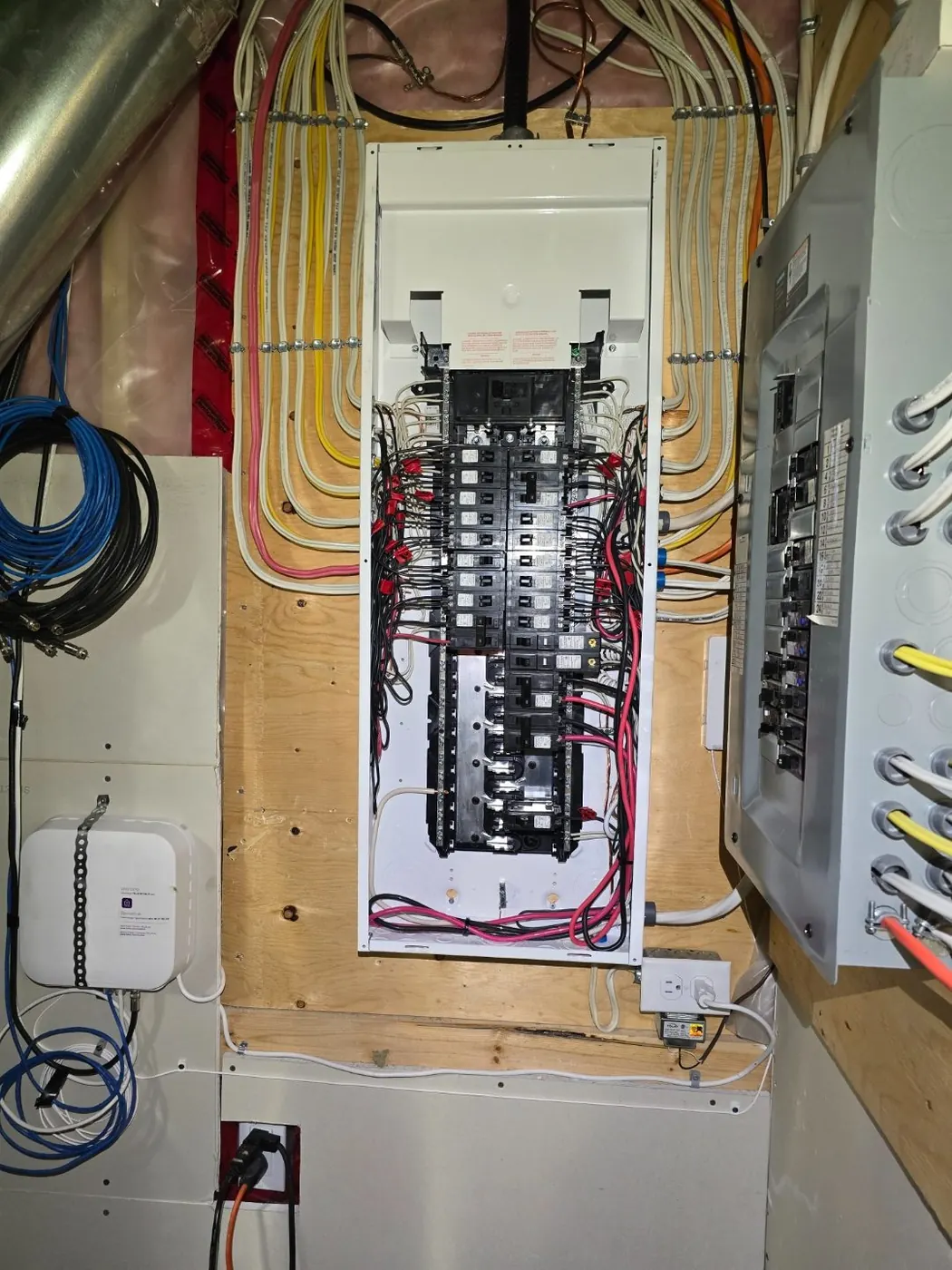
The rough in inspection
The permit gets pulled under the Master Electrician licence and the rough in is inspected before it is covered. I am the one who deals with the inspector, not you.
And if something does get flagged, I come back. One customer failed a final on a basement suite. I was there the next day to fix what the report listed and offered to stand in the room for the reinspection. That is in her review further down this page.
Finish, final and handover
Fixtures, devices, plates, the panel directory filled in by hand, and the final inspection. You get the permit paperwork and a written note of what went in.
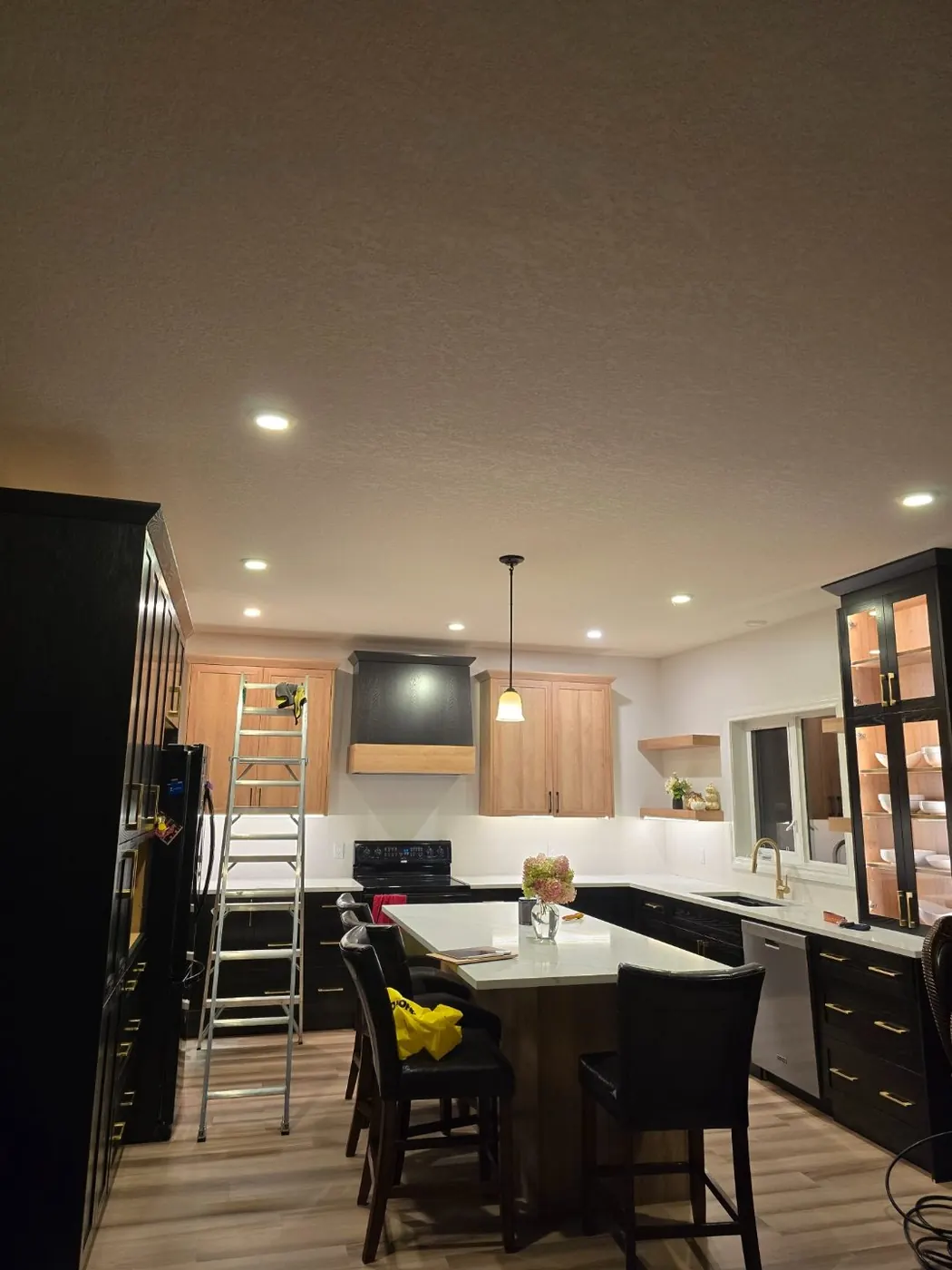
The development work that fits here
- Basement developmentFull development or a suite. Circuits, lighting, smoke and carbon monoxide, AFCI and GFCI protection, permit and inspection.
- Secondary suitesSeparate circuits and the protection a suite needs, planned with the inspector in mind rather than argued with afterwards.
- Garages and shopsSubpanel, bench circuits, a heater, lighting, a plug for a welder or a compressor, an EV outlet while the wall is open.
- Kitchen and bath renosPot lights, under cabinet, island circuits, a range or a cooktop, bath fans and the protection those rooms need.
- Additions and new roomsAn office, a bonus room, a studio above the garage. New circuits back to the panel, sized on the actual load.
- Panel capacity for the renoIf the development pushes the service past what it can carry, the calculation gets run first. That path is panel and service upgrades.
Dmitry was very helpful & understanding when it came to adding plugs in my unfinished basement. He followed what the code allowed & also made sure things are well taken care of.
Nobody gets a development price off a web page.
- A basement is a circuit count, a lighting layout and a panel with a specific amount of room left in it.
- Those three things change the number more than anything I could guess from here.
- So it is a walkthrough, then a written scope with the circuit count in it, then a fixed price.
- The walkthrough is where the real answer comes from.
Options, With The Reason For Each
Three ways to book small work
Small jobs are where most people get nickel and dimed. Here is how to get the most out of a visit instead.
Option 1
One visit, one item
Best when one thing stopped working, or one thing needs adding, and that is the whole list.
Straightforward. We come out, we do the item, you know what it costs before we start.
If you think of a second item while we are packing up, that is a second visit unless we can fit it in the same window.
Option 2
Stack the list into one visit
Best when you have three or four small things that have been piling up.
You pay the visit once. Travel, truck and setup cost the same whether we do one item or five, so items two through five cost you less than item one did. This is the single easiest way to get more for the same money.
Write the list down before we come. Items we find on the day may need parts we did not bring.
Option 3
Walkthrough and a written plan
Best when you are not sure what you have, or you just bought the place.
A Master Electrician walks it, writes down what is there, what is wrong and what it would take, in order of what matters. You end up with a plan you can budget against instead of a surprise.
A walkthrough is assessment, not repair. Anything we fix on the day gets quoted separately.
Tell us the list and we will tell you honestly whether it is one visit or two.